
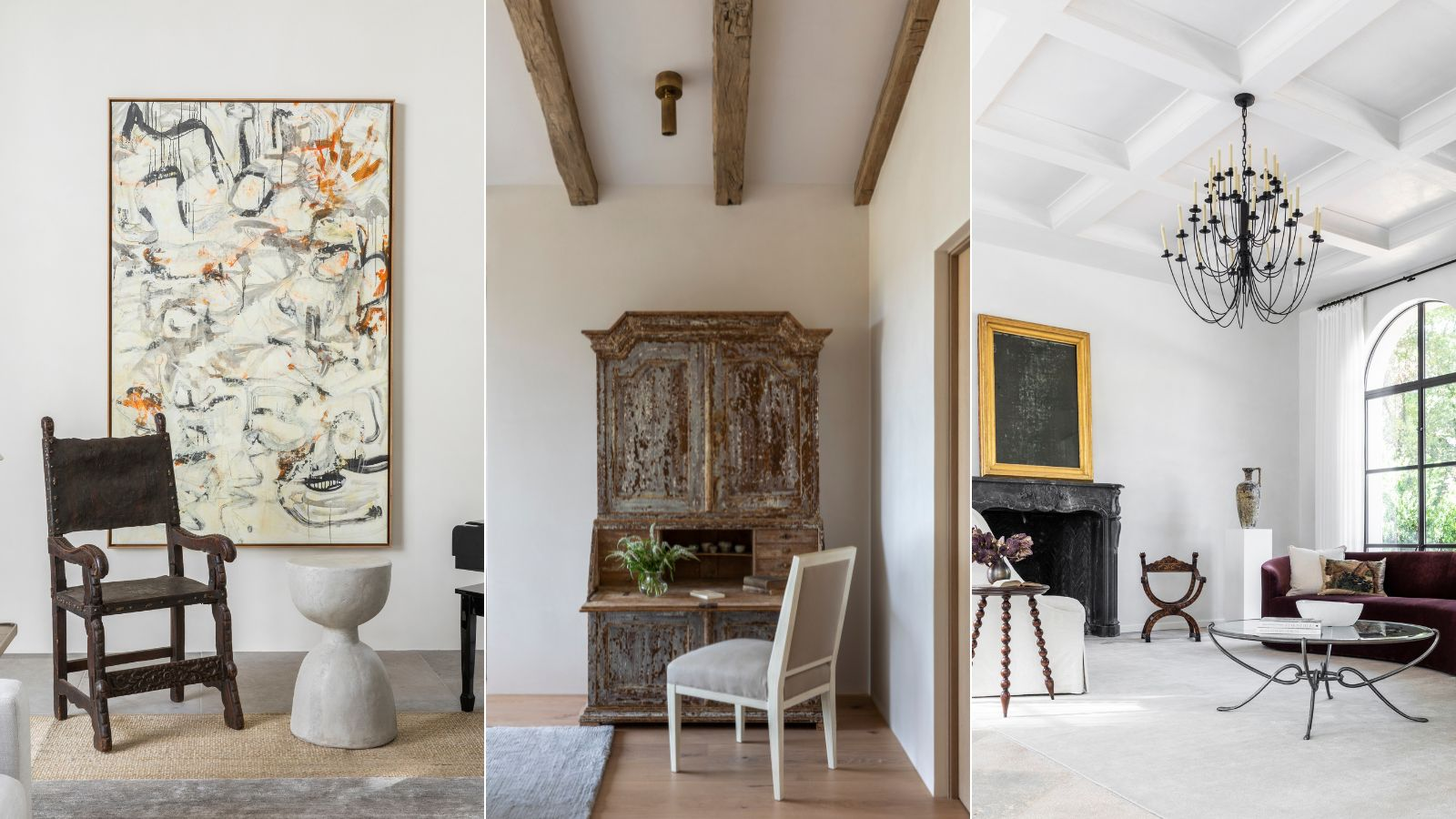
You walk into three friends’ apartments this month. Each couch looks the same. Each coffee table came from the same catalog page. You want your space to feel like yours, not a showroom clone. But hunting unique pieces feels like a full-time job you never signed up for.
A vintage furniture store solves this by design. Every piece that walks through the door is a single-edition item. When it sells, it is gone. The room you build today simply cannot be copied tomorrow.
How to Find One-of-a-Kind Pieces Before They Disappear
You do not need to spend weekends at flea markets. A few simple habits turn furniture hunting from luck into a system.
Check new arrivals daily. Inventory turns over fast. The best pieces go within hours, not days. Make browsing part of your morning routine.
Set alerts for what you want. Know you need a mid-century desk? Filter for it. When one lands, you see it first.
Read the condition notes before you scroll past. Small scratches and surface wear drop prices by hundreds. Most flaws buff out or hide with a simple touch-up.
Act on the piece, not the photo. A dim listing picture hides a solid oak frame. Other shoppers scroll past what you can see through. Trust the specs, not the staging.
Measure your space before you browse. You lose a perfect find to someone else while you run for a tape measure. Have your dimensions saved in your phone.
Same Room, Two Ways: Before and After
Picture your living room furnished from a big-box catalog. The sofa matches thousands of other sofas. The side table is the same veneer finish your neighbor bought last week. Guests walk in and nothing catches their eye. The room works, but it does not speak.
Now picture that same room with a vintage furniture store as your source. A brass floor lamp from the 1970s anchors the corner. A solid walnut coffee table carries decades of character in its grain. Your guests ask where you found each piece. No two answers are the same.
The difference is not budget. It is source. Catalog furniture ships by the container, while secondhand furniture arrives one piece at a time, each with a story no factory can stamp out.
Is That Vintage Find Worth It? A Quick Checklist
Before you click buy or walk the showroom floor, run through this list. It keeps you from bringing home regret.
Does the listing show clear photos of every side, including any disclosed flaws?
Can you live with the flaw described? A scratch buffs out. A cracked frame does not.
Have you checked the dimensions against your floor plan and doorways?
Does the return window give you enough time to see it in your space? Seven days is standard.
Would you pay this price if you saw the piece in person? If yes, buy it now. It will not wait.
Can you pick it up or arrange delivery before the hold period expires?
Solid wood, hardwood veneers, and quality joinery age well. Particle board and laminate do not. Focus your hunt on pieces built before disposable furniture became the norm.
Frequently Asked Questions
What furniture is best to buy secondhand?
Solid wood case goods such as dressers, desks, and dining tables hold up best. Leather seating from brands known for durability also makes a strong buy. Avoid upholstered pieces with deep stains or odors unless you plan to reupholster.
How do I know if a vintage piece is priced fairly?
Compare the listed price to what the same brand and material costs new. A Stressless leather loveseat at $1,930 versus $3,495 retail shows the gap you can find. A West Elm desk at $250 versus $500 to $1,500 new makes the value obvious.
Where can I browse secondhand furniture without leaving home?
Online marketplaces let you scroll new arrivals from your couch. One such marketplace, Reperch, lists inspected secondhand furniture with disclosed flaws, flat-fee local delivery, and nationwide shipping. You browse items in San Francisco, Phoenix, and Los Angeles showrooms without stepping outside.
What if I find a flaw after bringing a piece home?
Most cosmetic issues are fixable. Scratches buff out with a restoration marker. Cushions can be reupholstered. Check the listing photos again. Reputable sellers disclose every flaw upfront, so surprises should be rare.
The Piece You Wait On Is the Piece You Lose
Every day you wait, a piece you would love sells to someone else. Not because they have better taste. Because they checked first. The inventory at a vintage furniture store does not restock from a warehouse. It flows in from decluttering pickups, estate clearouts, and people moving across the country. Each item is a single chance.
Catalog furniture will always be there. The mass-produced sofa you saw last month will still be in stock next month. The secondhand furniture that caught your eye yesterday is probably gone today. That is not a flaw in the system. That is the whole point.
You do not need more time to hunt. You need a better way to hunt. A source that refreshes daily, shows you the flaws before you buy, and holds your piece while you decide. The rooms you envy did not come from luck. They came from showing up and acting fast.
Your space tells a story whether you choose it or not. Make it a story nobody else can repeat.








Leave a Reply