

A vape store is a retail business that specializes in vaping products, accessories, and related information. These stores may carry a variety of devices, replacement components, e-liquids, batteries, chargers, and other vaping accessories. Because vaping products can contain nicotine, customers should understand the potential health risks and applicable age restrictions before making any purchase.
What Is a Vape Store?
A vape store typically focuses on products designed for electronic vaping devices. Depending on local laws, a store may offer disposable devices, refillable systems, replacement coils, tanks, batteries, chargers, and e-liquids in different formulations.
The selection available at a particular vape store can vary considerably. Some businesses operate as small specialty shops, while others are larger retailers with a broader range of products. Regulations may also determine which products can legally be sold and how they must be displayed or labeled.
Products Commonly Found in a Vape Store
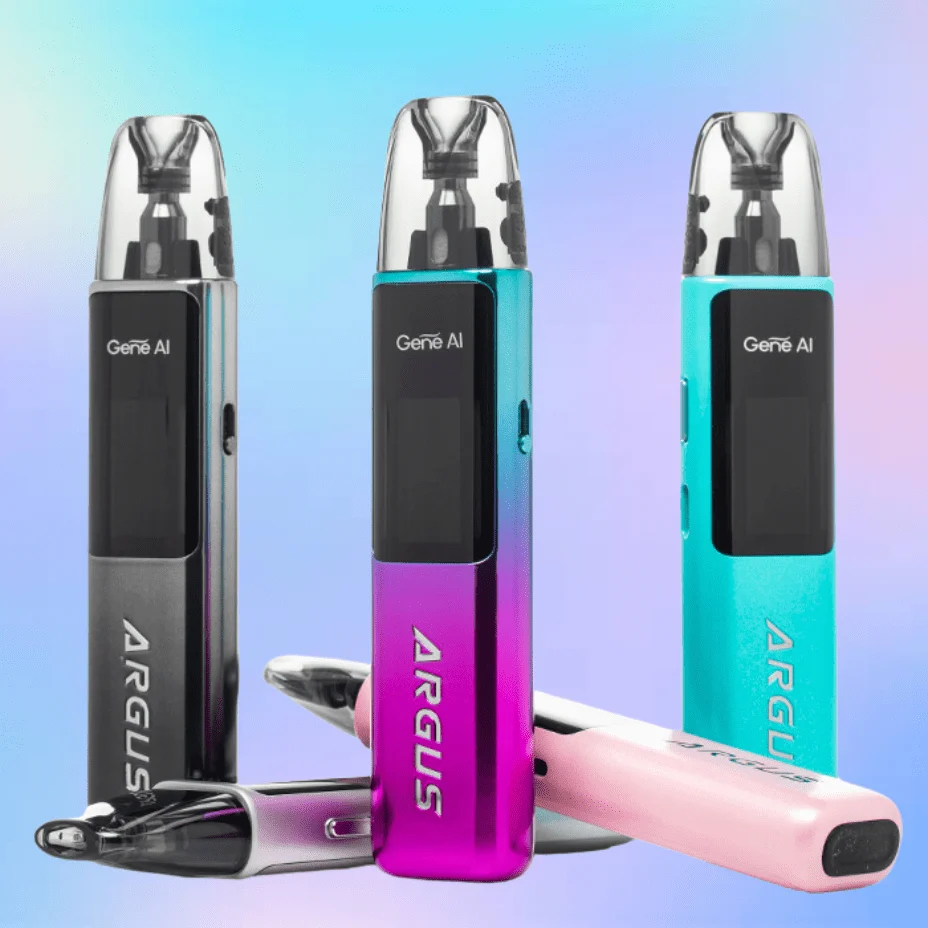
A vape store may carry several categories of products. Devices can include disposable or reusable electronic systems. Reusable devices generally contain components that may need periodic replacement, such as coils, pods, tanks, or batteries.
E-liquids are another common category. These liquids may contain nicotine, flavoring agents, and other ingredients. Nicotine concentrations can vary, and consumers should carefully read product labels before using any product.
Stores may also sell accessories such as charging equipment, protective cases, replacement mouthpieces, and storage products. Customers should use compatible equipment and follow manufacturer instructions, particularly when handling rechargeable batteries.
Age Restrictions and Regulations
Because many vaping products contain nicotine, governments often impose age restrictions on their sale and use. These requirements vary by country, state, province, or local jurisdiction. A responsible vape store should follow applicable laws concerning age verification, product labeling, advertising, and sales.
Consumers should check the regulations in their area before purchasing vaping products. Rules can also change over time, particularly concerning flavored products, disposable devices, online sales, and nicotine content.
Health Considerations
Vaping is not risk-free. Many vaping products contain nicotine, an addictive substance that can lead to dependence. Nicotine exposure can be particularly concerning for young people, pregnant individuals, and people who do not already use tobacco or nicotine products.
Electronic vaping products can also expose users to substances that may affect respiratory and cardiovascular health. The long-term health effects of vaping continue to be studied. For people who do not currently use nicotine, starting to vape is generally not considered a healthy choice.
Individuals who currently smoke cigarettes and are considering changing their nicotine use should discuss evidence-based options with a qualified healthcare professional. Smoking cessation resources, counseling, and approved treatments may provide alternatives depending on individual circumstances.
Choosing a Responsible Retailer
If someone is legally purchasing vaping products, it is important to consider whether the retailer appears to follow local requirements. A responsible vape store should verify customers’ ages when required, provide accurate product information, and avoid making unsupported health claims.
Customers should also pay attention to packaging, instructions, ingredient information, and safety warnings. Products with damaged packaging, missing labels, or unclear origins may present additional concerns.
Final Thoughts
A vape store is a specialized retailer offering electronic vaping devices, e-liquids, replacement parts, and accessories. However, shopping for these products involves more than comparing devices or flavors. Consumers should understand nicotine dependence, potential health risks, battery safety, and the laws governing vaping products in their location.
Anyone who does not currently use nicotine should carefully consider the risks before starting. People who want to stop smoking or reduce nicotine dependence can also seek guidance from healthcare professionals or established smoking-cessation services. Making an informed decision is important when dealing with any nicotine-containing product.









Leave a Reply