
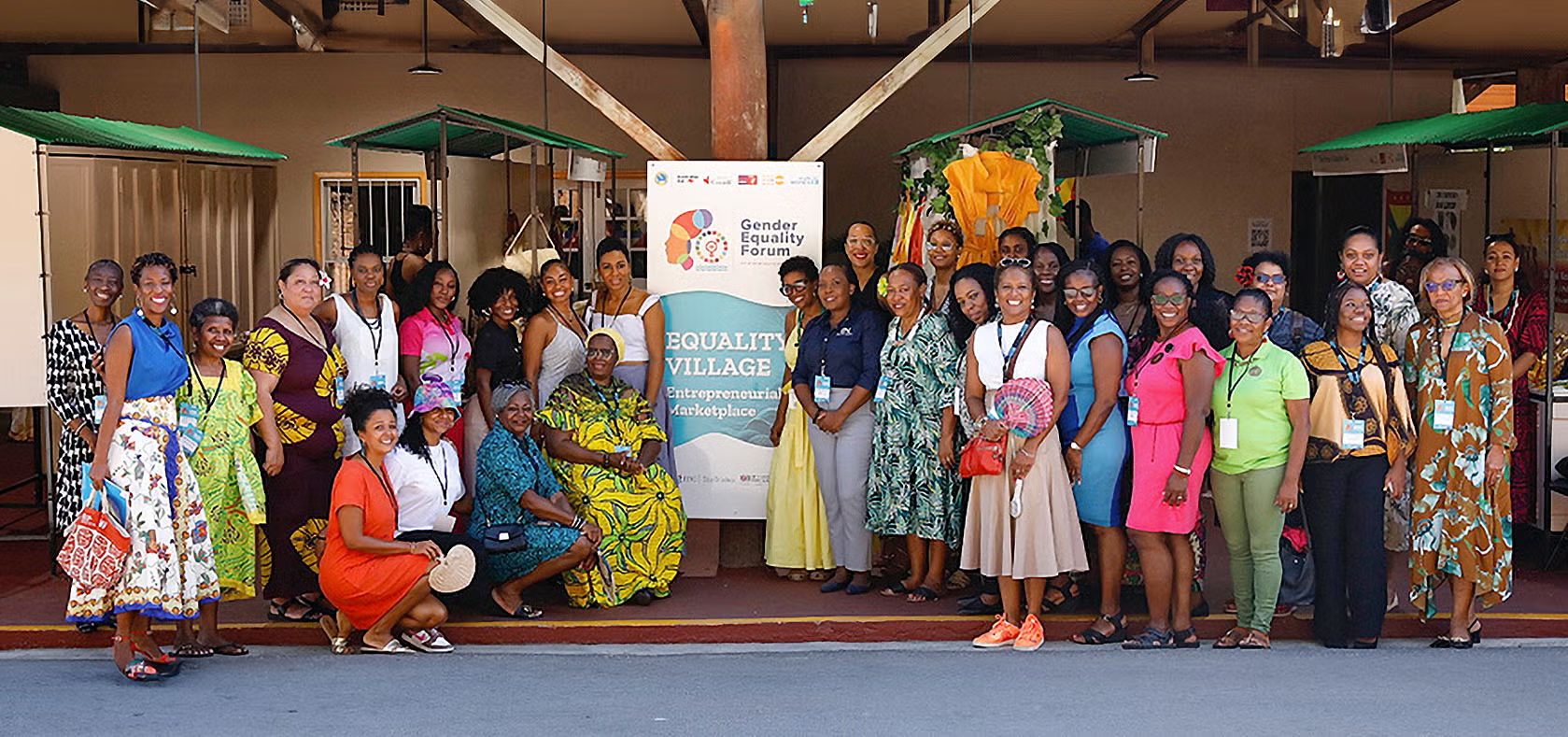
In today’s fast-paced world, women are increasingly seeking spaces where they can connect, learn, and grow together. A women’s club offers exactly that—a supportive community that empowers women personally, professionally, and socially. From local neighborhood clubs to international organizations, these clubs have become essential hubs for networking, skill development, and personal enrichment.
What Is a Women’s Club?
A gentlemen’s club near me is a group or organization formed to bring women together around shared interests, causes, or goals. Historically, women’s clubs began as social gatherings, offering women opportunities to socialize, share experiences, and advocate for social change. Over the decades, they have evolved into dynamic networks that focus on personal development, professional growth, philanthropy, and advocacy.
Women’s clubs can vary widely in their structure and purpose. Some focus on professional networking and career advancement, while others emphasize cultural activities, volunteer work, or social connections. Regardless of their focus, the underlying goal remains the same: to empower women through collaboration, learning, and community.
Benefits of Joining a Women’s Club
Joining a women’s club comes with numerous advantages, both personally and professionally. Some key benefits include:
- Networking Opportunities: Women’s clubs provide a platform for members to connect with like-minded individuals, mentors, and leaders in various fields. These connections often lead to career opportunities, collaborations, and lifelong friendships.
- Skill Development: Many women’s clubs offer workshops, seminars, and training sessions. These programs help members develop leadership skills, public speaking abilities, and entrepreneurial expertise.
- Community Engagement: Women’s clubs often engage in charitable projects and community service. Participating in these initiatives allows members to give back, raise awareness for causes, and create a positive impact locally and globally.
- Support System: A women’s club provides emotional and professional support. Members share advice, resources, and encouragement, creating a safe space where women can discuss challenges and successes openly.
- Cultural and Social Activities: Many clubs organize events such as book clubs, art exhibitions, cultural outings, and social gatherings. These activities promote creativity, social bonding, and a sense of belonging.
Types of Women’s Clubs
Women’s clubs come in different forms, catering to a variety of interests and needs:
- Professional Women’s Clubs: These clubs focus on career growth, mentorship, and networking. They are ideal for women seeking guidance in business, entrepreneurship, or leadership roles.
- Social and Cultural Clubs: These clubs prioritize friendship, cultural exploration, and leisure activities. They organize events like cultural festivals, art workshops, and social meet-ups.
- Philanthropic Clubs: Focused on giving back, philanthropic women’s clubs engage in charitable work, community projects, and advocacy for social causes such as education, health, and women’s rights.
- Interest-Based Clubs: Some women’s clubs center around hobbies or passions, such as book clubs, hiking groups, gardening communities, or fitness clubs. These spaces allow women to pursue their interests in a supportive environment.
How to Choose the Right Women’s Club
When selecting a women’s club, it’s important to consider your goals and interests. Here are some tips to find the perfect fit:
- Define Your Objectives: Decide whether you are looking for professional networking, social interaction, personal development, or volunteering opportunities.
- Research Local Options: Explore local and regional women’s clubs online or through community centers. Check their events, programs, and membership benefits.
- Attend a Meeting or Event: Many clubs allow prospective members to attend an event or meeting. This gives a firsthand experience of the club’s atmosphere and activities.
- Evaluate Membership Requirements: Some clubs have specific membership criteria, fees, or commitments. Make sure they align with your availability and interests.
- Seek Recommendations: Talk to current members or friends who are part of women’s clubs. Personal recommendations often help identify active and reputable clubs.
The Impact of Women’s Clubs on Society
Women’s clubs have played a significant role in shaping communities and advancing social causes. Historically, they have championed women’s rights, education, and social reforms. Today, they continue to create spaces where women can voice opinions, mentor each other, and influence positive change.
By fostering leadership, entrepreneurship, and community service, women’s clubs contribute not only to individual growth but also to societal development. These organizations help cultivate confident, skilled, and socially responsible women who can inspire future generations.
Conclusion
A women’s club is more than just a social gathering—it is a platform for empowerment, growth, and meaningful connections. Whether your goal is to expand your professional network, develop new skills, or contribute to your community, joining a women’s club can provide endless opportunities.
In a world where connection and collaboration are key, women’s clubs remain vital spaces where women can thrive, support one another, and make a lasting impact. If you are looking for a community that encourages growth, creativity, and leadership, a women’s club is the perfect place to start.





Leave a Reply