
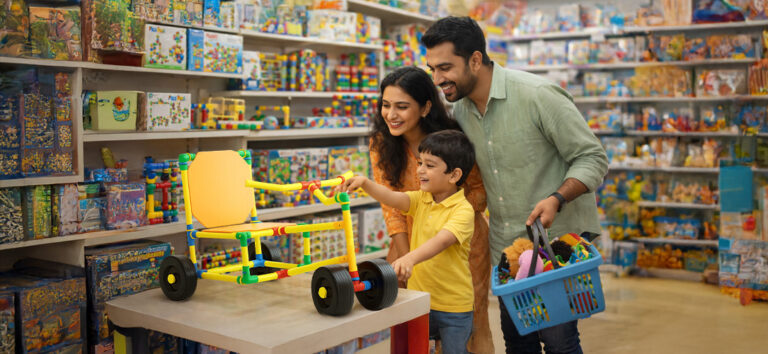
A toy store is more than just a retail space—it is a place where imagination, learning, and joy come together. For children, visiting a toy store is often an exciting experience filled with colors, characters, and endless choices. For parents, it is an opportunity to select toys that support learning, creativity, and healthy development. Today’s toy stores offer a wide range of products that cater to different ages, interests, and developmental needs.
One of the key roles of a toy store is to support early childhood development. Toys are not just for entertainment; they help children develop essential life skills. For example, building blocks improve motor skills and hand-eye coordination, while puzzles enhance problem-solving abilities. Toy stores typically organize products by age group, making it easier for parents to choose safe and suitable toys for their children. This structured selection helps ensure that children receive toys that match their developmental stage.
Educational toys have become a major focus in modern toy stores. Many parents prefer toys that combine fun with learning. STEM-based toys, including science kits, robotics sets, and coding games, encourage children to explore technology and critical thinking. These toys prepare children for future academic challenges while keeping them engaged in hands-on learning. Toy stores often highlight educational sections to help families find toys that promote both fun and knowledge.
Creative play is another important benefit supported by toy stores. Dolls, action figures, costumes, and pretend-play sets allow children to imagine different roles and scenarios. This type of play helps develop communication skills, emotional understanding, and social interaction. For example, playing “doctor,” “teacher,” or “chef” helps children understand real-world roles while expressing creativity. A well-stocked toy store provides endless opportunities for imaginative play.
Board games and group games are also popular products found in toy stores. These games encourage family bonding and teamwork. Playing board games teaches children patience, strategy, and fair play. Families often spend quality time together playing games that reduce screen time and encourage communication. Toy stores offer both classic games like chess and Monopoly, as well as modern interactive games designed for all age groups.
In addition to physical stores, online toy stores have become increasingly popular. Online shopping allows customers to browse a wider selection of toys, compare prices, and read reviews before making a purchase. Many online toy retailers offer discounts, seasonal promotions, and fast delivery services. However, physical toy stores still provide a unique experience where children can see, touch, and interact with toys before buying them, making the shopping experience more engaging.
Safety is a major concern when choosing toys from a toy store. Parents must ensure that toys are made from non-toxic materials and are appropriate for the child’s age. Small parts can be dangerous for younger children, so it is important to read labels carefully. Trusted toy stores usually follow strict safety standards and offer products from reputable brands that meet international safety regulations.
Toy stores also play a role in emotional development. Toys can help children express feelings, reduce stress, and build confidence. Soft toys, for example, often provide comfort and a sense of security. Interactive toys can also help children develop independence and decision-making skills. Through play, children learn how to understand emotions and interact with others in a healthy way.
Seasonal events and holidays bring special excitement to toy stores. During occasions like birthdays, New Year, and cultural festivals, toy stores become busy shopping destinations for families. Limited-edition toys, gift sets, and trending products are often in high demand during these times. Many toy stores also decorate their spaces and organize special events to attract customers and create a festive atmosphere.
In conclusion, a toy store is an essential part of childhood development and family life. It provides toys that support learning, creativity, emotional growth, and social interaction. Whether shopping in a physical store or online, parents can find a wide variety of toys that help children grow and enjoy meaningful play experiences. A good toy store not only sells products but also contributes to shaping a child’s imagination and development.










Leave a Reply