
Luxury clothes have long been associated discount designer brands online with elegance, prestige, and refined taste. From royal families in ancient civilizations to modern celebrities walking the red carpet, luxury fashion has always represented more than simple clothing. It is a powerful expression of identity, wealth, artistry, and culture. Today, the luxury clothing industry is one of the most influential sectors in global fashion, attracting millions of consumers who seek exclusivity, quality, and timeless design.
The term “luxury clothes” refers to high-end garments created by premium fashion houses and designers using superior materials, skilled craftsmanship, and innovative designs. These clothes are usually more expensive than regular fashion because they offer exceptional quality, unique styles, and brand prestige. Luxury fashion brands such as Gucci, Louis Vuitton, Chanel, and Prada have become global symbols of sophistication and success.
One of the key features of luxury clothing is the use of premium materials. Designers carefully select fabrics such as silk, cashmere, fine wool, velvet, and high-quality cotton to ensure comfort, durability, and elegance. These materials not only feel luxurious but also last much longer than ordinary fabrics. Many luxury brands also focus on handcrafted details, including embroidery, beadwork, and tailoring techniques that require expert skills and many hours of labor. This level of craftsmanship makes each piece unique and valuable.
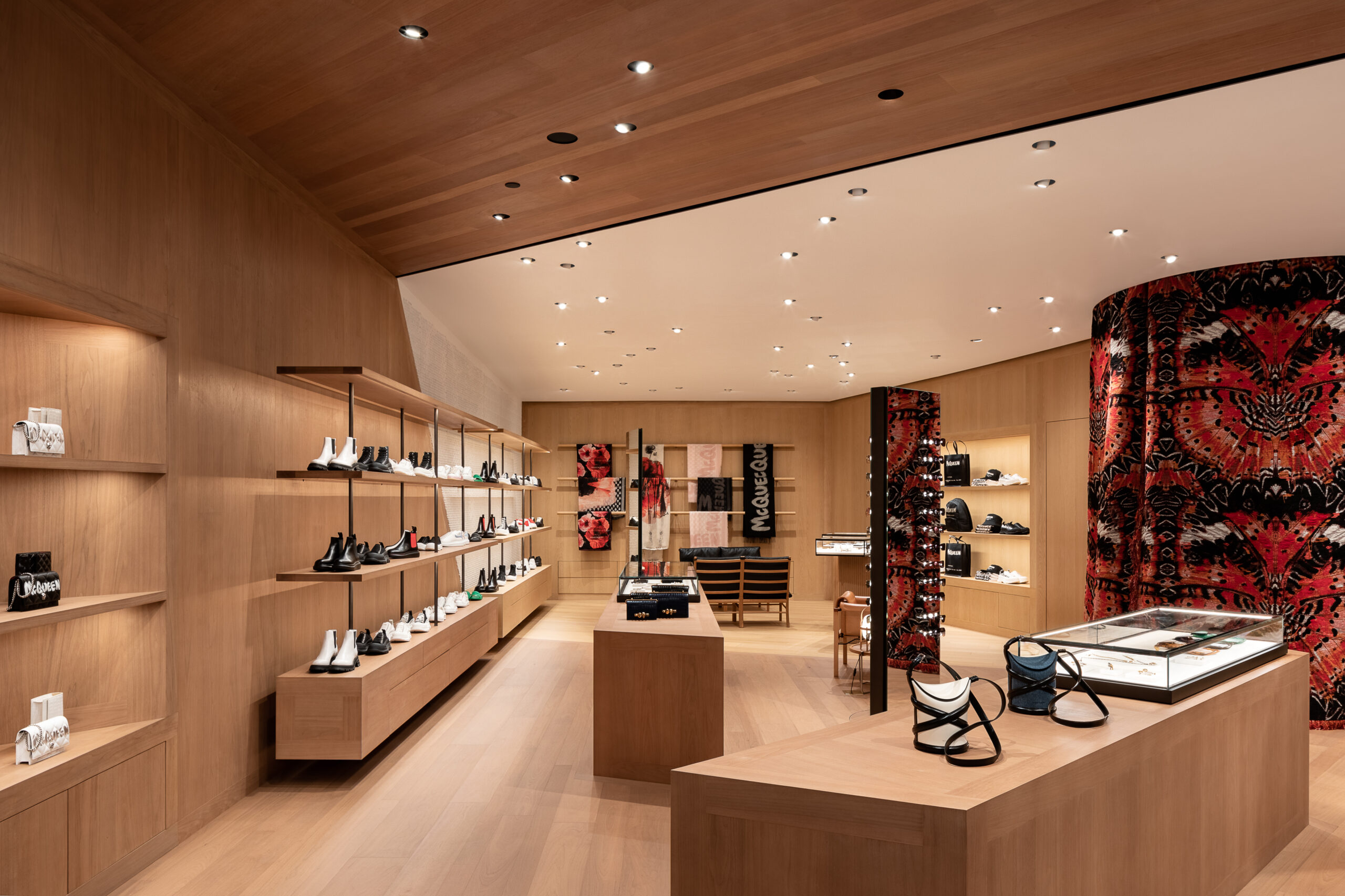
Another important aspect of luxury clothes is exclusivity. Luxury fashion brands often produce limited collections to maintain uniqueness and desirability. Unlike fast fashion companies that create thousands of identical pieces, luxury houses aim to offer something rare and special. Wearing luxury clothing allows individuals to stand out and express their personal style in a sophisticated way. For many people, owning a luxury item creates a sense of pride and confidence because it symbolizes achievement and social status.
Luxury fashion also plays a major role in setting global trends. Fashion designers present their collections during international fashion weeks held in cities like Paris, Milan, New York City, and London. These events attract celebrities, influencers, journalists, and buyers from around the world. The designs showcased on these runways often influence mainstream fashion trends for the upcoming seasons. Luxury brands are therefore considered leaders in creativity and innovation within the fashion industry.
In recent years, celebrity culture and social media have greatly increased the popularity of luxury clothes. Famous personalities such as Zendaya, Kim Kardashian, and David Beckham frequently collaborate with luxury brands or wear designer outfits during public appearances. Through platforms like Instagram and TikTok, millions of followers are exposed to luxury fashion every day. This digital exposure has transformed luxury fashion from an exclusive world for the wealthy into a global aspiration for people of different backgrounds.
Despite its glamour, the luxury fashion industry also faces criticism. One major concern is the high cost of luxury clothing, which makes it inaccessible to most people. Some critics argue that consumers often pay more for the brand name than for the actual product. In addition, the pressure to display wealth through expensive clothing can contribute to social inequality and materialism. For some individuals, luxury fashion becomes less about personal style and more about gaining social approval.
Another challenge facing the luxury clothing industry is sustainability. The fashion industry as a whole has been criticized for environmental pollution, waste production, and unethical labor practices. While luxury brands generally produce fewer items than fast fashion companies, they still consume significant resources. In response, many luxury fashion houses are now investing in sustainable practices. Some brands use eco-friendly fabrics, reduce waste in production, and support fair labor conditions. Consumers today are becoming more aware of ethical fashion, encouraging luxury companies to adopt more responsible business models.
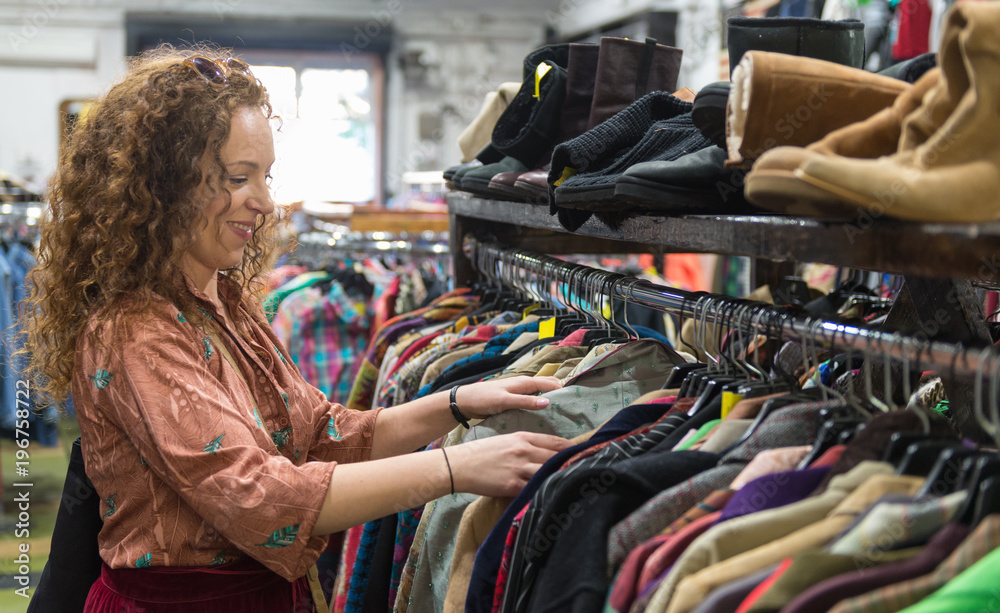
The rise of second-hand luxury fashion has also changed the industry. Many consumers now buy pre-owned luxury items through online marketplaces and vintage stores. This trend allows people to own designer clothing at lower prices while supporting sustainable consumption. Vintage luxury fashion has become especially popular among younger generations who appreciate both classic style and environmental responsibility. As a result, the resale market for luxury clothes continues to grow rapidly worldwide.
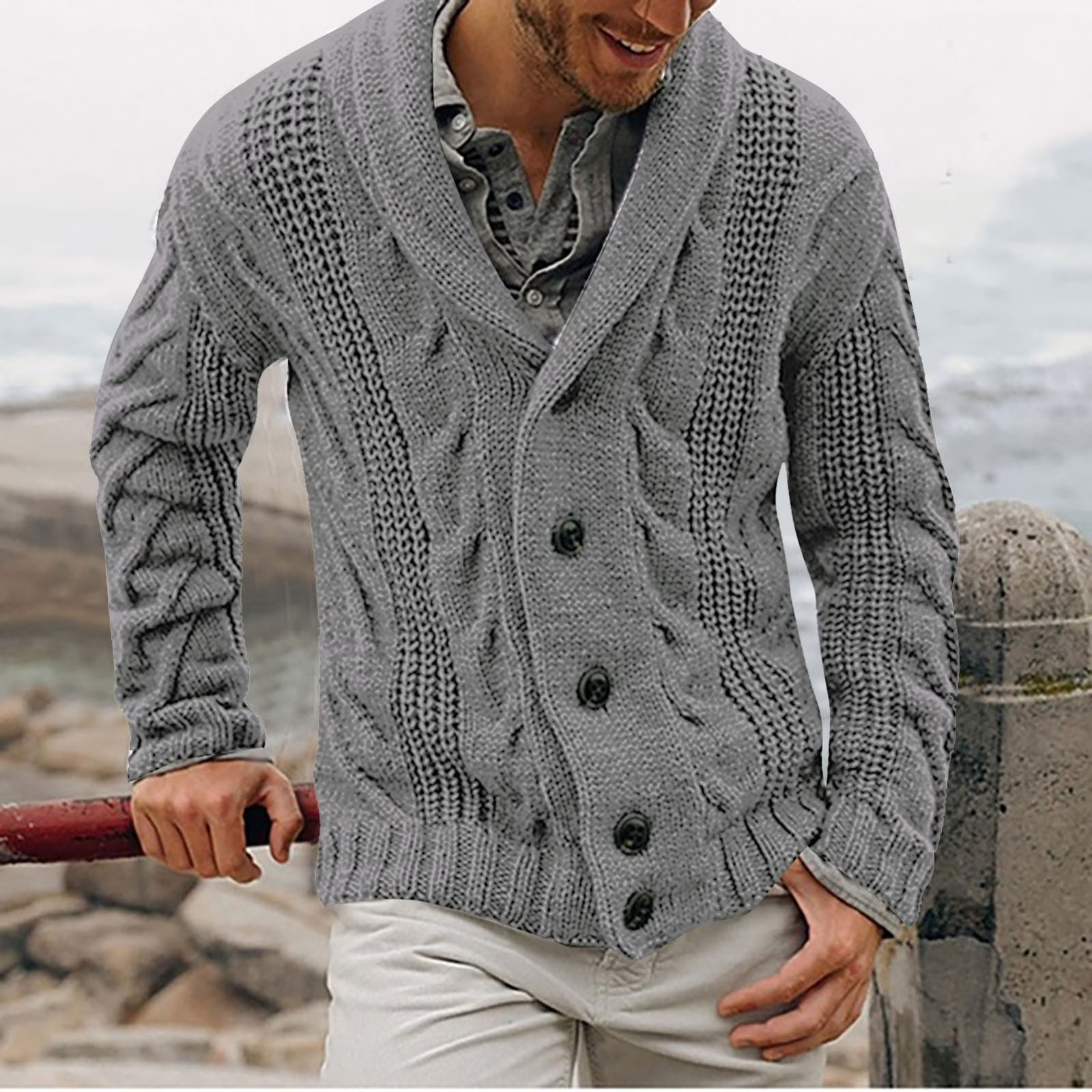
Luxury fashion is not limited to women’s clothing. Men’s luxury fashion has also expanded significantly over the years. Designer suits, premium streetwear, luxury sneakers, and tailored jackets have become increasingly popular among men who value high-quality style. Brands now create collections that combine elegance with comfort, reflecting modern lifestyles and changing fashion preferences.
Cultural influence is another important element of luxury clothing. Many luxury designers draw inspiration from art, history, music, and traditional cultures when creating collections. Fashion often reflects social changes and cultural movements. For example, modern luxury brands frequently celebrate diversity and inclusivity by featuring models from different ethnicities, body types, and backgrounds. This evolution shows how luxury fashion continues to adapt to contemporary values while maintaining its identity of exclusivity and sophistication.
Technology has also transformed the luxury fashion experience. Online shopping, virtual fashion shows, and digital marketing allow brands to reach customers worldwide. Some luxury companies even use artificial intelligence and virtual reality to improve customer experiences. Personalized recommendations, digital fitting rooms, and interactive online stores make luxury shopping more convenient and engaging. The combination of tradition and innovation helps luxury fashion remain relevant in the modern world.
In conclusion, luxury clothes represent much more than expensive garments. They symbolize craftsmanship, creativity, exclusivity, and cultural influence. For many people, luxury fashion is a form of self-expression and a celebration of beauty and individuality. Although the industry faces challenges related to sustainability, accessibility, and consumerism, it continues to evolve and shape global fashion trends. Whether admired for their artistry or desired for their prestige, luxury clothes remain an important part of the fashion world and modern society.





Leave a Reply