
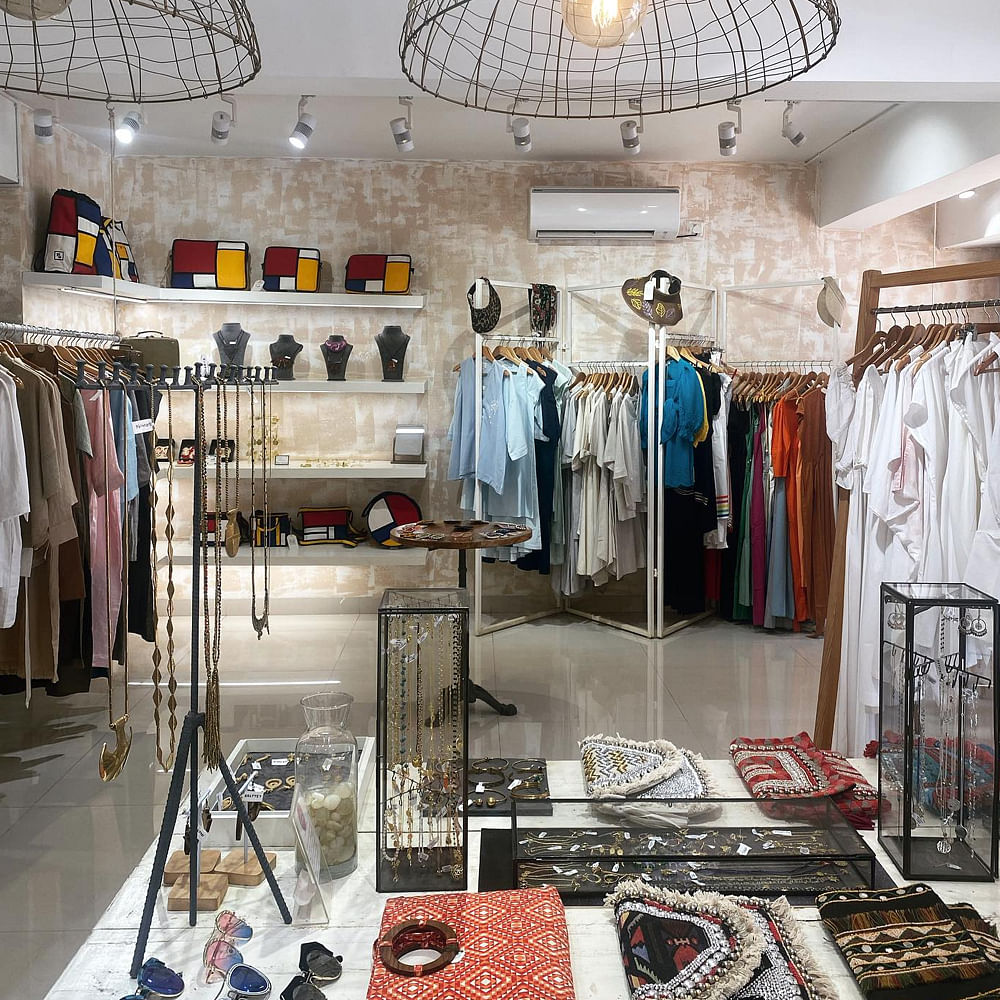
Shopping in today’s world is far more Shop than a simple transaction—it is an experience, a lifestyle, and, for many, a form of personal expression. From traditional marketplaces to high-end malls and digital storefronts, the concept of shopping has evolved dramatically over time. What was once a necessity-driven activity has transformed into a blend of convenience, entertainment, and cultural engagement.
The Traditional Roots of Shopping
Historically, shopping in local markets was a social activity. People gathered in bustling bazaars and street markets not only to buy goods but also to connect with others. Vendors would display fresh produce, handmade crafts, and essential items, often negotiating prices with customers. This traditional form of shopping fostered community relationships and allowed buyers to directly interact with sellers, ensuring trust and authenticity.
In many parts of the world, these markets still thrive today. They offer a unique charm that modern retail spaces often struggle to replicate. The sensory experience—colorful displays, lively chatter, and the aroma of fresh goods—creates a vibrant atmosphere that makes shopping memorable.
The Rise of Shopping Malls
As urbanization increased, shopping in large malls became a defining feature of modern life. Malls introduced a new level of convenience by bringing multiple brands, services, and entertainment options under one roof. Consumers could shop for clothing, electronics, and groceries, enjoy a meal, and watch a movie—all in a single location.
Shopping malls also revolutionized the concept of leisure. They became social hubs where friends and families gathered, especially during weekends and holidays. With air-conditioned comfort, organized layouts, and global brand availability, malls offered a polished and predictable shopping experience.
However, while malls provide convenience, they sometimes lack the personal touch found in traditional markets. The standardized nature of retail chains can make the experience feel less unique, especially for those seeking authenticity.
The Digital Transformation of Shopping
Perhaps the most significant change in recent years is the rise of online shopping. With the advent of e-commerce platforms, shopping in the digital space has become incredibly popular. Consumers can now browse thousands of products, compare prices, read reviews, and make purchases—all from the comfort of their homes.
Online shopping offers unmatched convenience. It eliminates the need for travel, reduces time spent in queues, and provides access to global markets. Whether someone is looking for luxury items or everyday essentials, everything is just a few clicks away.
Additionally, the integration of mobile apps has made shopping even more accessible. With smartphones, users can shop anytime and anywhere. Features like personalized recommendations, flash sales, and secure payment options have enhanced the overall experience.
However, online shopping is not without its challenges. Issues such as delayed deliveries, product mismatches, and lack of physical inspection can sometimes lead to dissatisfaction. Despite these drawbacks, the benefits often outweigh the disadvantages for many consumers.
The Role of Technology in Modern Shopping
Technology continues to reshape how people shop. Innovations like artificial intelligence, augmented reality, and virtual fitting rooms are transforming the retail landscape. For example, customers can now visualize how furniture will look in their homes or try on clothes virtually before making a purchase.
Moreover, data-driven personalization has become a key aspect of shopping in the digital age. Retailers analyze consumer behavior to offer tailored recommendations, making the shopping experience more relevant and engaging. Loyalty programs and targeted promotions further enhance customer satisfaction.
Contactless payments and digital wallets have also simplified transactions, making them faster and more secure. These advancements highlight how technology is not just supporting shopping but redefining it entirely.
Shopping as a Lifestyle
Shopping today is closely tied to lifestyle and identity. People often choose brands and products that reflect their personality, values, and social status. From sustainable fashion to luxury goods, consumer preferences are increasingly influenced by ethical considerations and personal beliefs.
Experiential shopping has also gained popularity. Instead of merely purchasing items, consumers seek immersive experiences. Pop-up stores, themed retail spaces, and interactive displays are designed to engage customers on a deeper level. This shift emphasizes that shopping is no longer just about buying—it’s about feeling and experiencing.
The Balance Between Online and Offline Shopping
While online shopping continues to grow, physical stores remain relevant. Many consumers prefer a hybrid approach, combining the convenience of digital platforms with the tactile experience of in-store shopping. This trend, often referred to as “omnichannel retail,” allows customers to enjoy the best of both worlds.
For instance, a shopper might research a product online and then visit a store to see it in person before making a purchase. Alternatively, they might browse in-store and later order the item online for home delivery. This flexibility has become a defining feature of modern shopping habits.
The Future of Shopping
Looking ahead, shopping in the future is likely to become even more personalized and technology-driven. Innovations such as drone deliveries, smart stores, and voice-activated shopping assistants are already being explored. Sustainability will also play a crucial role, with consumers demanding eco-friendly products and responsible business practices.
Retailers will need to adapt to these changing expectations by focusing on customer experience, transparency, and innovation. The ability to seamlessly integrate physical and digital channels will be key to staying competitive in an ever-evolving market.
Conclusion
Shopping in the modern world is a dynamic and multifaceted experience. From traditional markets to advanced digital platforms, it reflects the changing needs, preferences, and lifestyles of consumers. While technology continues to drive innovation, the essence of shopping—connecting people with products and experiences—remains unchanged.
Whether strolling through a lively market, exploring a luxurious mall, or browsing an online store, shopping continues to be an integral part of everyday life. Its evolution highlights not only advancements in retail but also the shifting nature of human interaction and consumption in a rapidly






Leave a Reply